Omega 3
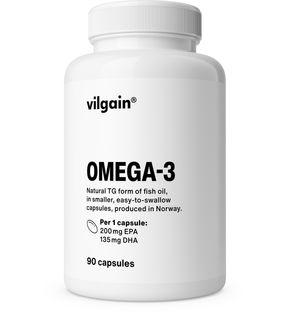




Omega 3 Supplements
Omega‑3 fatty acids are a group of healthy fats that have a beneficial effect on the overall functioning of our body. They are classified as essential nutrients, meaning our body cannot produce them on its own, and thus, they need to be obtained through our diet. The most important omega‑3 fatty acids include eicosapentaenoic acid (EPA) and docosahexaenoic acid (DHA).
Benefits of Omega 3
The primary benefit of omega‑3 fatty acids is their anti‑inflammatory action, which counteracts the pro‑inflammatory effects of omega‑6 fatty acids, commonly found in modern diets. Omega‑6s are essential too, but in excess, they can promote inflammation, which is part of the body's defence mechanism. Omega‑3 intake can:
- Reduce the risk of cardiovascular diseases;
- Support eye and brain health;
- Help combat depression and anxiety;
- Promote healthy fetal development during pregnancy;
- Accelerate recovery after physical exercise.
Omega 3 Dosage
Although it is generally recommended to consume 250‑500 mg of omega‑3 per day, the ideal intake of omega‑3 depends on your consumption of omega‑6 fatty acids, which are abundant in most vegetable oils. The optimal ratio of omega‑6 to omega‑3 in your diet should not exceed 3:1. However, modern diets can often reach ratios as high as 20:1, which can lead to health imbalances.
Sources of Omega 3
Seaweed and phytoplankton are considered some of the highest‑quality sources of omega‑3 fatty acids. These serve as food for small crustaceans and fatty fish like salmon, sardines, and mackerel, which are commonly included in human diets, either as food or in supplement form.
A more recent discovery in omega‑3 supplementation is krill oil, derived from small crustaceans found in the pristine waters of Antarctica, free from heavy metal contamination. Krill oil is also significantly richer in antioxidants compared to fish oil. In contrast, most plant‑based foods (except algae) are not considered reliable sources of omega‑3.